Key Takeaways
- In a 104-patient retrospective study of knee arthroplasty, 57.7% of patients given suzetrigine avoided an opioid refill by two weeks, against 34.6% of historical controls.
- At six weeks, 88.5% of the suzetrigine group was opioid-free versus 65.4% of controls, with no significant difference in pain scores or functional recovery.
- Only about half of patients obtained insurance coverage at roughly $30 out of pocket, and the rest relied on a manufacturer assistance program the study's coauthor understands is set to expire at the end of 2026.
- In a separate joint replacement cohort, 24.3% of patients were still using opioids three months after surgery, and mild depression was linked to 4.11 times the odds of persistent use.
Suzetrigine was approved on the strength of trials in bunion and tummy-tuck surgery. Knee replacement, one of the most common and most painful elective operations, was never part of its registration program. That makes the first real-world data from orthopedic practice worth watching closely, and the early signal is encouraging: fewer opioid refills, more patients opioid-free at six weeks, and no loss of pain control. The catch is that half the patients in the study could not get the drug through insurance. For Vertex and every company developing non-opioid analgesics, the evidence gap is closing faster than the access gap is.
What the Knee Replacement Data Show
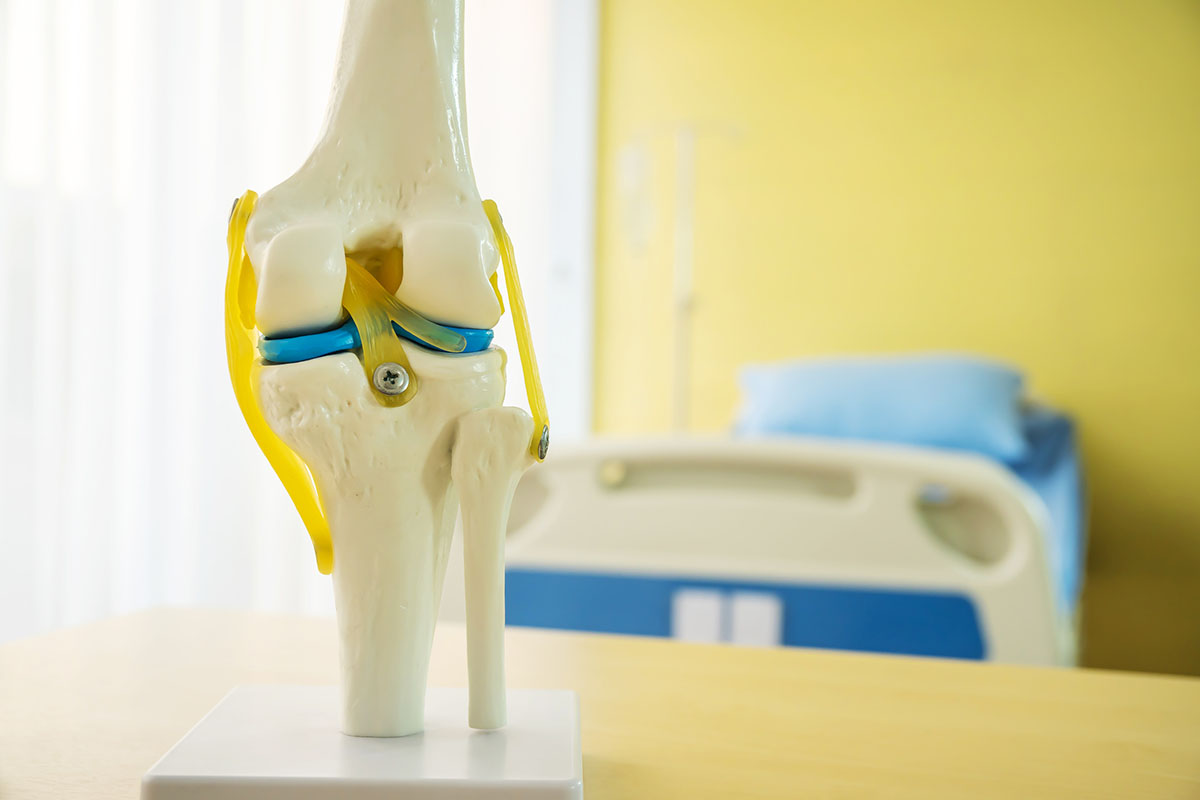
The study, a single-center retrospective evaluation from Froedtert & the Medical College of Wisconsin, was presented as a poster at PAINWeek 2026 and reported by Pharmacy Times on October 5. It compared 52 patients who received suzetrigine (sold as Journavx) as part of a multimodal regimen after primary or revision knee arthroplasty with 52 historical controls. Patients on suzetrigine were more likely to avoid an opioid refill at or before their two-week visit, 57.7% against 34.6% (P=.018), and more likely to be opioid-free at six weeks, 88.5% against 65.4% (P=.005). Pain scores and measures of functional recovery did not differ significantly between the groups.
The limits are real, and the authors state them plainly. In opioid-naive patients, the six-week opioid-free rate was 91.5% against 76.7%, a difference that just missed significance (P=.054). Opioid-tolerant patients were underrepresented. The study showed no reduction in opioid-related adverse events, and refill data are a surrogate for what patients actually took at home. A concurrent health system effort to cut postoperative gabapentin use also changed the background regimen during the study window. "We don't have the data to show that this is a cause and effect," said William Peppard, PharmD, the pain stewardship coordinator who coauthored the study.
Even so, the direction matters. When the FDA approved suzetrigine in January 2025 as the first drug in a new class of non-opioid pain medicines, its efficacy evidence came from two randomized trials after abdominoplasty and bunionectomy, with primary safety data from 874 participants. Orthopedic surgeons and health systems now have to decide whether those results translate to a knee, and postmarketing studies like this one are the only place that answer will come from in the near term.
Why Fewer Refills Is the Right Endpoint
Refills sound like an administrative metric, but they track the part of the opioid problem that starts after discharge. A systematic review in JAMA Surgery of six studies covering 810 surgical patients found that 42% to 71% of all opioid tablets obtained went unused. Between 73% and 77% of patients did not keep their opioids in locked containers, and no study found more than 9% using FDA-recommended disposal methods. Every unnecessary refill adds to that household supply, and every patient who stops opioids sooner leaves less behind in the medicine cabinet.
The longer tail is persistence. In a retrospective cohort of 542 hip and knee replacement patients published in Heliyon, 24.3% were still using opioids three months or more after surgery. The rate was 21.3% among patients with no depression and 43.4% among those with mild depression, which carried 4.11 times the odds of persistent use after adjustment. The authors called for research into whether better management of the condition could improve outcomes. For drug developers, that is a reminder that a pain pill on its own does not determine who stays on opioids; the patient's mental health and the care around them do as well.
Coverage Is Now the Bottleneck
The most consequential finding may be the one outside the efficacy tables. In an internal review of claims at the health system's retail pharmacies, about half of patients obtained insurance coverage, with an out-of-pocket cost of roughly $30. The rest relied on Vertex's patient assistance program. Peppard cautioned that these are local findings rather than national estimates, but he was blunt about what they mean: "If they can't or won't pay the cost of the medication, they're not going to take it."
Timing compounds the problem. In a separate Pharmacy Times interview, Peppard described prescribing suzetrigine before surgery so patients can take the loading dose on the morning of the operation, because a prescription written after surgery can stall on pharmacy wait times or prior authorization. He also said his understanding is that the manufacturer assistance program is set to expire at the end of 2026. He pointed to opioid-naive patients and those at higher risk of opioid side effects, including people taking benzodiazepines or living with pulmonary disease, as the groups likely to benefit most. If the patients with the most to gain are also the ones who lose access when assistance ends, a strong evidence package will not translate into use.
What Life Sciences Leaders Should Do Now
- Fund procedure-specific real-world studies: Registration trials in bunionectomy and abdominoplasty do not answer an orthopedic surgeon's question, so sponsor prospective studies in the procedures where the drug will actually be used.
- Measure what payers will pay for: Refills, opioid-free rates and downstream utilization are the endpoints that move formulary decisions, so build them into postmarketing protocols from the start.
- Plan for the end of patient assistance: If half of patients rely on a manufacturer program, its expiry is a commercial cliff, and coverage strategy needs to be settled before the program lapses.
- Move access work ahead of the operating room: Prior authorization and prescriptions resolved before surgery are what get the first dose taken on time, which makes pre-admission workflows part of the launch plan.
- Account for mental health in pain outcomes: Depression is linked to persistent opioid use after joint replacement, so trials and stewardship programs should screen for it rather than treat it as noise.
- Look beyond the surgery itself: Many knee replacements follow years of musculoskeletal pain, and the care before and after the procedure shapes recovery as much as the analgesic does.
A 104-patient retrospective study will not settle whether suzetrigine changes opioid use after knee replacement. It does show where the next fight is. The science of non-opioid pain relief is finally producing usable real-world signals, and the question facing manufacturers, payers and health systems is whether the patients those signals describe will be able to fill the prescription.