Key Takeaways
- The ATTAIN-OSA program randomized 712 adults with moderate to severe obstructive sleep apnea and a BMI of 27 or higher to daily oral orforglipron or placebo for 52 weeks.
- Orforglipron cut the apnea-hypopnea index by 26% to 35%, versus 3% to 5% on placebo, and the results held whether or not patients used a PAP machine.
- Tirzepatide cut the same measure by about 50% in its own trials, and orforglipron did not significantly improve patient-reported sleep impairment.
- Obstructive sleep apnea affects nearly 30 million Americans, and an estimated 80% of cases remain undiagnosed.
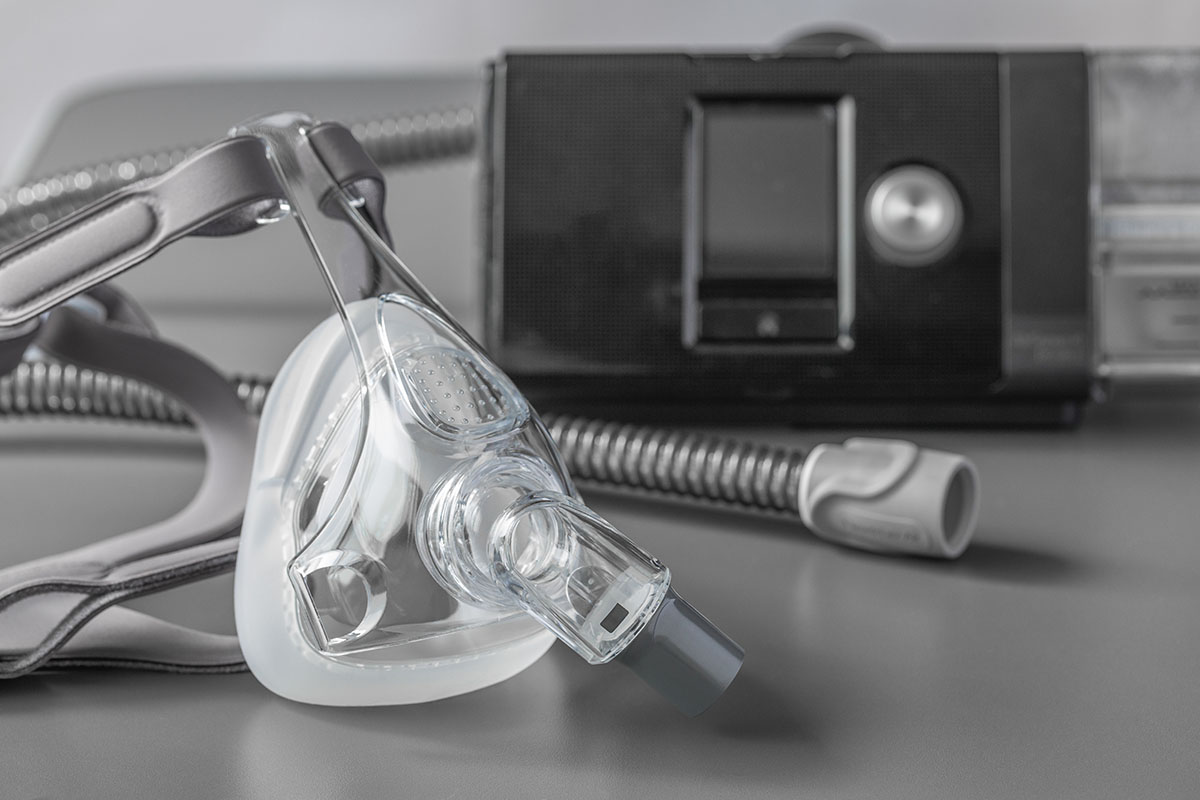
Obstructive sleep apnea has had one dominant treatment for decades: a mask, a hose and a machine that pushes air through the night. Many patients never get used to it. On November 9, Eli Lilly showed that a pill might do part of the job. Its once-daily GLP-1 drug orforglipron, already approved for weight loss as Foundayo, significantly reduced sleep apnea severity in two Phase 3 trials presented at the American Heart Association's Scientific Sessions. The data are solid. The harder question is how many of the people who could benefit will ever be identified as having the condition at all.
What the Trials Showed
According to TCTMD's report on the results, published simultaneously in JAMA, the ATTAIN-OSA program ran two 52-week randomized trials at 66 sites in nine countries. The first enrolled 363 adults who were unwilling or unable to use positive airway pressure; the second enrolled 349 who used PAP and planned to continue. All had moderate to severe sleep apnea and a body mass index of 27 or higher, and people with diabetes were excluded.
In the first trial, the apnea-hypopnea index fell by 17.8 events per hour on orforglipron versus 4.5 on placebo. In the second, it fell by 17.3 versus 5.3. Those translate to relative reductions of 26% to 35% for the drug against 3% to 5% for placebo. Body weight fell 10% to 11%, compared with 1% to 2% on placebo. Healio's coverage adds that baseline severity was high, at 50.7 and 57.6 events per hour, that hypoxic burden fell 72% versus placebo in both trials, and that systolic blood pressure dropped 7 to 8 mm Hg versus 1 to 3 mm Hg. Presenter Vaishnavi Kundel of Mount Sinai noted that CPAP typically lowers systolic pressure by only about 2 to 3 mm Hg.
“There are no current oral treatments for sleep apnea,” Michael Grandner told Healio, calling an oral medication a potential game changer. Orforglipron is not yet approved for sleep apnea, so for now the data describe a future label, not a current one.
Where the Pill Falls Short
The comparison every payer will make is with Lilly's own injectable GLP-1, tirzepatide, which has its own Phase 3 sleep apnea data. Discussant Ildiko Lingvay of UT Southwestern pointed out that tirzepatide cut the apnea-hypopnea index by about 50% in SURMOUNT-OSA and significantly improved patients' reported sleep-related impairment, while orforglipron did not. Discontinuations due to adverse events were also higher than with tirzepatide, with more nausea, diarrhea and constipation, mostly mild to moderate. On symptom control, Lingvay said, “the jury is still out for orforglipron.”
The JAMA editorialists, Diego Mazzotti and Damien Stevens of the University of Kansas Medical Center, flagged further limits. No objective criteria defined which patients were unable or unwilling to use PAP. Diabetes, common in sleep apnea, was an exclusion. Effects were smaller in moderate disease, and fewer than 4% of participants were Black. They expect the drug to become one part of a broader treatment plan alongside PAP, oral appliances or tirzepatide, not a replacement for them.
The Diagnosis Gap
A new indication only matters for patients who have a diagnosis, and most do not. A national indicator report from the American Academy of Sleep Medicine estimates that obstructive sleep apnea affects nearly 30 million Americans and that about 80% of cases remain undiagnosed. The roughly 23.5 million undiagnosed cases cost an estimated $149.6 billion a year through extra health care use, motor vehicle and workplace accidents, and lost productivity.
Mental health is one place those cases hide. In a 2025 study in Frontiers in Psychiatry, 50 of 159 patients being treated for depression, or 31.4%, had sleep apnea on overnight testing, rising to 55.6% among those with a BMI of 25 or higher. The authors note that overlapping symptoms such as fatigue and poor sleep can lead clinicians to miss apnea in patients with mental health conditions, and that untreated apnea may blunt the response to antidepressants. For a drug that treats both excess weight and apnea, the patients most likely to benefit may be sitting in a therapist's or primary care physician's office with the wrong label on their chart.
What Life Sciences Leaders Should Do Now
- Plan for the tirzepatide comparison: A 26% to 35% reduction against roughly 50% for the injectable means the oral case will rest on convenience, adherence and needle avoidance, so collect that evidence deliberately.
- Close the symptom gap: Orforglipron missed on patient-reported sleep impairment, and future studies should be powered to show whether patients actually feel more rested.
- Fill the evidence holes the editorial named: Patients with diabetes, Black patients and people with moderate disease were excluded or underrepresented, and payers will notice those gaps.
- Invest in finding patients: With an estimated 80% of cases undiagnosed, screening partnerships in primary care and home sleep testing may expand the market more than any label change.
- Look inside mental health populations: With 31.4% of one depression cohort showing apnea on testing, behavioral health programs are an underused place to screen.
- Frame value beyond the apnea score: The 7 to 8 mm Hg systolic drop and 72% cut in hypoxic burden speak to cardiovascular risk, the outcome employers and plans ultimately pay for.
ATTAIN-OSA makes orforglipron a credible option for patients who cannot or will not use a machine, and a likely add-on for those who can. It does not make the pill the strongest drug in its class, and it does not solve the problem that has always limited sleep apnea care: most patients are never tested. The companies that treat diagnosis as part of the launch, not someone else's problem, will reach the most patients.