Key Takeaways
- Adding petosemtamab to pembrolizumab cut the risk of death by 50% versus pembrolizumab alone (hazard ratio 0.50) at the first interim analysis of the Phase 3 LiGeR-HN1 trial.
- The combination tripled the odds of an objective response (odds ratio 3.17), and the survival benefit held regardless of HPV status.
- The American Cancer Society expects about 60,480 new oral cavity and oropharyngeal cancer cases in the U.S. in 2026, with about 20% in people younger than 55.
- One year after treatment, 20% of head and neck cancer patients in a Johns Hopkins cohort had depression, which weighed on quality of life more than swallowing function did.
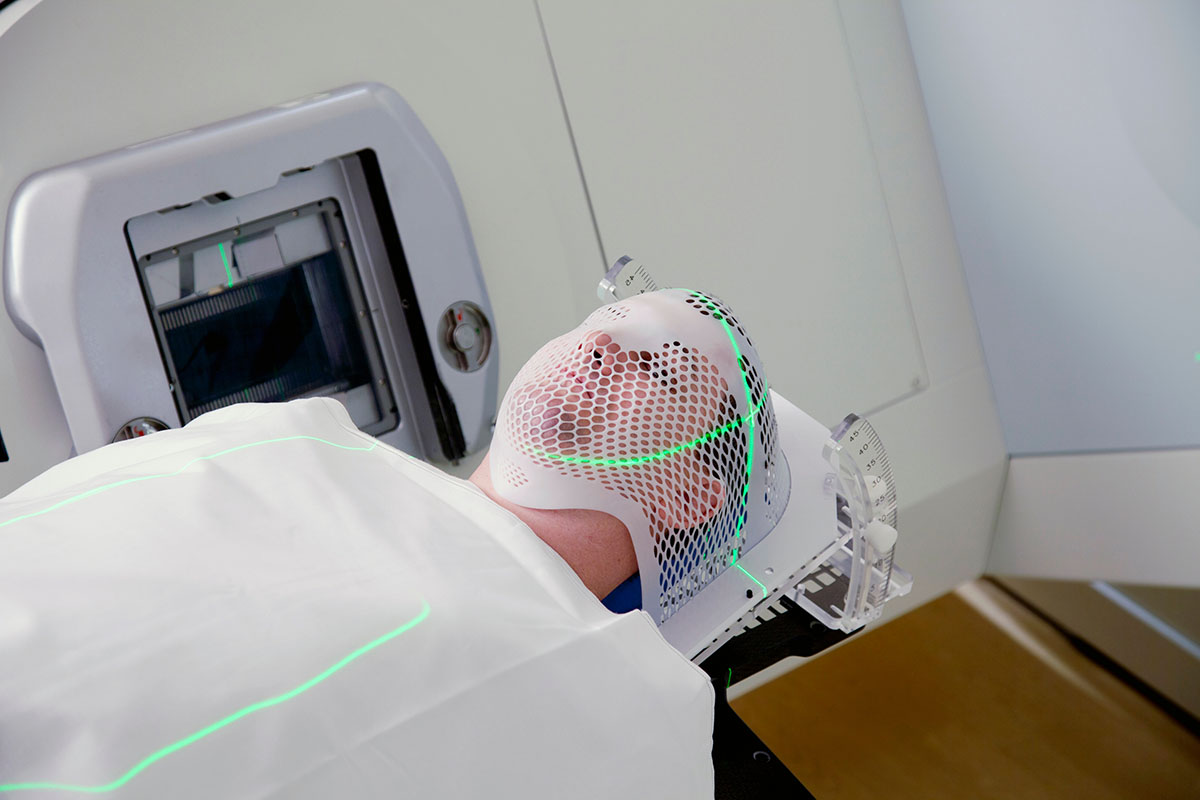
For patients with recurrent or metastatic head and neck cancer, first-line treatment has offered modest gains for years. Last week Genmab reported that its bispecific antibody petosemtamab, added to Merck's Keytruda, halved the risk of death in a Phase 3 trial. If the full data hold up, more patients will live longer with a disease whose treatments routinely damage the ability to swallow, speak and eat, and whose survivors carry some of the heaviest psychological burdens in oncology. Survival is the headline. What those extra months look like depends on care that sits well outside the infusion suite.
A Clean Phase 3 Win in a Hard Setting
As OncLive reported, the global, open-label LiGeR-HN1 trial randomized adults with previously untreated recurrent or metastatic head and neck squamous cell carcinoma and a PD-L1 combined positive score of 1 or higher to petosemtamab plus pembrolizumab or pembrolizumab alone. At the first interim analysis, both dual primary endpoints were met. Overall survival showed a hazard ratio of 0.50 (95% CI, 0.37 to 0.67; P<.0001), and the odds ratio for objective response was 3.17 (95% CI, 2.06 to 4.89; P<.0001). The benefit appeared regardless of HPV status, and safety was consistent with each drug's known profile, with no new signals.
Petosemtamab is an IgG1 bispecific that binds EGFR and LGR5, a receptor found on cancer cells with stem-like properties, and engaging both at once drives EGFR internalization and degradation. Everett Vokes of University of Chicago Medicine called the trial "a major milestone with the potential to redefine care." Genmab has not yet released median survival figures or enrollment numbers, and plans to present the full dataset at a medical meeting and share it with regulators.
The commercial stakes are large. Fierce Biotech noted that Genmab acquired the drug through its $8 billion purchase of Merus, that midstage data the same week showed a 63% response rate among 43 evaluable patients with a median progression-free survival of nine months, and that William Blair analysts project $4 billion in peak sales in head and neck cancer alone. Three more Phase 3 studies are testing the drug in later-line head and neck cancer and in colorectal cancer.
Who Lives Longer, and With What
The patient population is growing. The American Cancer Society estimates about 60,480 new oral cavity and oropharyngeal cancer cases and about 13,150 deaths in the U.S. in 2026. Incidence has risen about 1% a year since the mid-2000s, mostly from HPV-linked cancers, and oropharyngeal cancer mortality rose almost 2% a year from 2009 through 2022. The average age at diagnosis is 64, but about 20% of cases occur in people younger than 55, many of them still working and covered by employer health plans.
Those survivors carry a distinctive burden. A Johns Hopkins prospective cohort published in The Laryngoscope evaluated 246 head and neck cancer patients and excluded anyone with a prior depression diagnosis. Among the 46 with complete one-year data, 9, or 20%, had developed depression. Depression was tied to worse quality of life and worse swallowing scores, and after adjusting for clinical factors it still predicted lower quality of life. The authors concluded that depression had a greater effect on quality of life than swallowing function itself and called for early identification and aggressive treatment of depressive symptoms.
Swallowing Therapy Works Remotely, but Adherence Slips
Swallowing rehabilitation is the other half of recovery, and it depends on patients doing exercises through the worst weeks of treatment. A three-arm randomized trial in Head and Neck assigned 79 patients receiving radiotherapy or chemoradiotherapy for oropharyngeal cancer to face-to-face therapy with a clinician, telepractice therapy through the SwallowIT program, or self-directed exercises. Swallowing, nutrition and function showed no significant differences between groups at six weeks and three months after treatment, and the authors judged telepractice clinically equivalent to traditional service models. Adherence fell in all three groups during treatment, and significantly more patients preferred the clinician-supported options over going it alone (P=.002).
That combination of findings is the operational lesson. Remote delivery can extend scarce speech-language pathology capacity without sacrificing outcomes, but unsupported programs lose patients just when side effects peak. A drug that keeps more people alive for longer raises the number of patients who need that support, and for longer stretches.
What Life Sciences Leaders Should Do Now
- Measure function alongside survival: With a hazard ratio of 0.50 on overall survival, payers will ask what the added time looks like, so swallowing, speech and patient-reported quality of life belong in the full dataset and follow-on studies.
- Screen for depression as a standard of care: Depression appeared in 20% of patients at one year and outweighed swallowing in its effect on quality of life, so support programs should include routine screening and fast referral to mental health care.
- Fund supported swallowing rehabilitation: Telepractice matched face-to-face outcomes in a randomized trial, which makes remote speech-language pathology a practical way to scale capacity as the treated population grows.
- Plan for working-age patients: About one in five new cases occurs before age 55, so employer plans and benefit partners will feel the survivorship costs and should be part of access planning.
- Coordinate across specialties: Oncology, speech therapy, nutrition and behavioral health all touch these patients, and care coordination programs should connect them rather than leave survivors to navigate each one alone.
- Keep claims tied to the interim data: Median survival and enrollment have not yet been disclosed, so communications should anchor on the reported hazard ratio until the full dataset is presented.
LiGeR-HN1 gives head and neck cancer its most convincing first-line survival result in years. The measure of that win will be whether the patients who gain time can also eat, speak, work and stay well, and that depends on rehabilitation and mental health care that the trial itself was never designed to deliver.