Key Takeaways
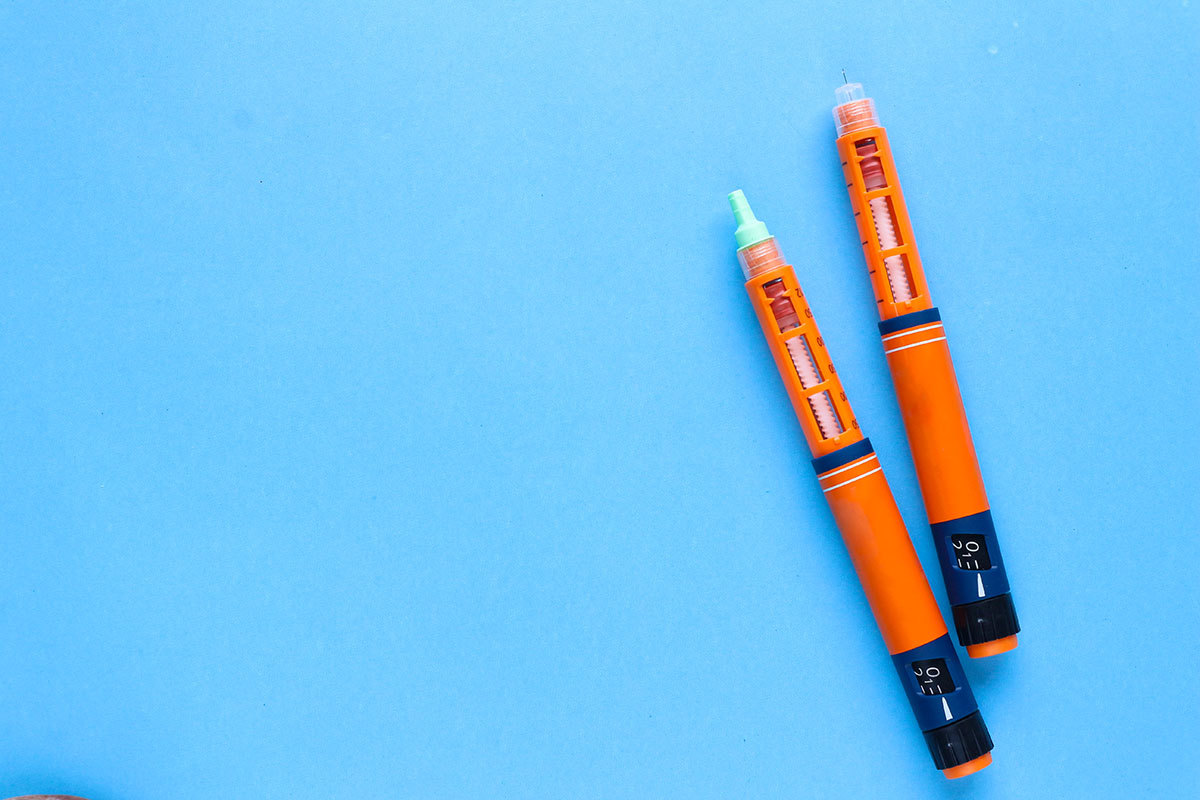
- The FDA approved a 720 mg subcutaneous induction of Skyrizi given by on-body injector at weeks 0, 2, 4 and 8, an at-home alternative to three 600 mg IV infusions.
- In the 274-patient AFFIRM trial, 56% of treated patients reached clinical remission at week 12 versus 30% on placebo, and 65% of participants had already failed an advanced therapy.
- A meta-analysis of 77 studies found anxiety symptoms in 32.1% and depression symptoms in 25.2% of people with IBD, rising to 57.6% and 38.9% during active disease.
- In an English cohort of 28,092 IBD patients, the median time from first IBD-related primary care visit to diagnosis was 15.6 months, and Crohn's raised the risk of a delay beyond a year.
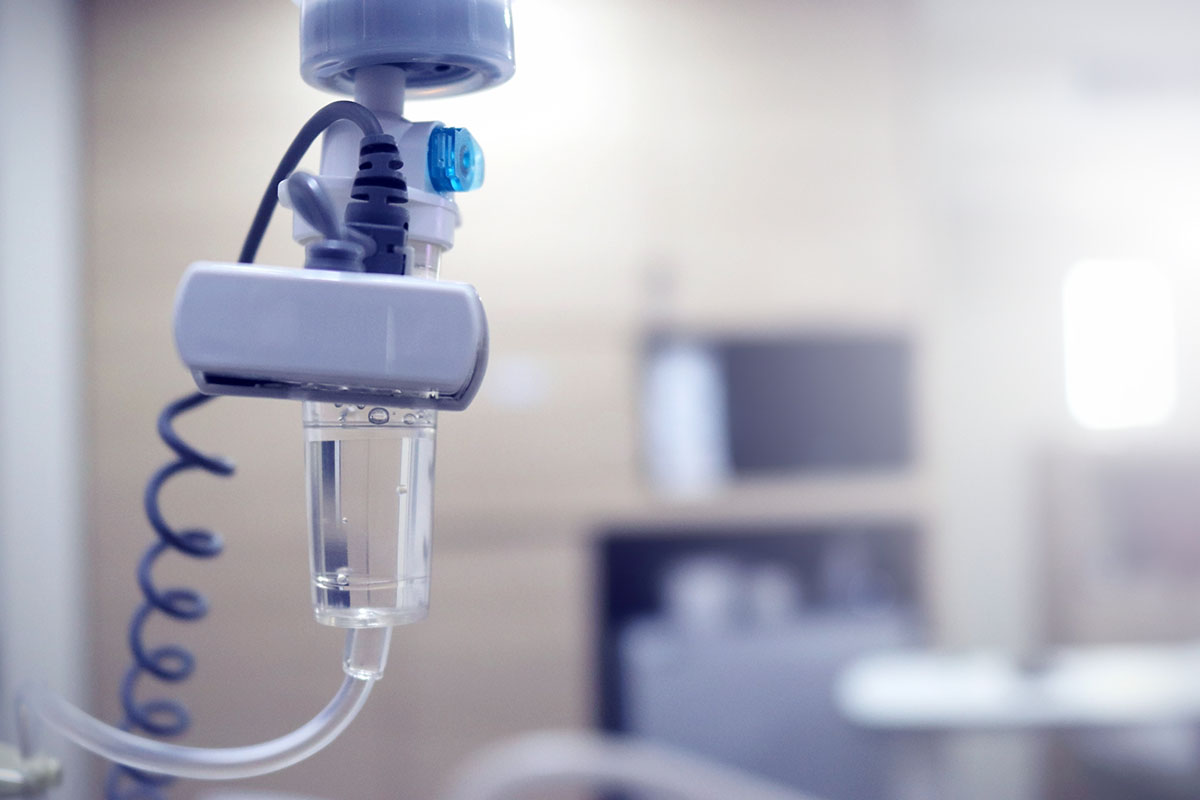
For most of the past four years, starting Skyrizi for Crohn's disease meant three trips to an infusion chair. Last week the FDA approved a way around them. Patients can now begin the drug at home with a wearable on-body injector and stay on the same device through maintenance. It is a meaningful practical change for a chronic, relapsing disease. It also removes three scheduled clinical touchpoints at the moment patients are sickest, in a condition where anxiety, depression and slow diagnosis already shape who gets treated and how well.
What the FDA Actually Approved
According to AbbVie's announcement on October 23, the new regimen is 720 mg of risankizumab delivered by an on-body injector induction pack at weeks 0, 2, 4 and 8. The existing IV option, 600 mg at weeks 0, 4 and 8, remains available. Either way, maintenance starts at week 12 with the on-body injector every eight weeks. The device itself is not new: it was introduced for Crohn's maintenance in 2022, and in a real-world survey of 186 people with Crohn's, 88% found it easy to use.
The approval rests on the Phase 3 AFFIRM trial, which randomized 274 adults with moderately to severely active disease 2:1 to subcutaneous risankizumab or placebo. At week 12, 56% of treated patients reached clinical remission against 30% on placebo, and 43% showed an endoscopic response against 15%. The population was hard to treat: 65% had previously failed an advanced therapy. In that group remission was 45% versus 31%, while in patients new to advanced therapy it was 74% versus 27%. AbbVie reported no new safety risks, and the FDA also revised tuberculosis language across all indications so that testing before treatment is left to clinical judgment.
Pharmaceutical Executive noted that the approval changes how therapy starts, not who is eligible, and that the strongest subgroup results come from a small number of patients, with statistical significance reported only for the total population. Its review also flagged that extension data were not reported and that the safety conclusion relies on the sponsor's summary. Clinicians quoted by Healio welcomed the flexibility, with Cleveland Clinic's Miguel Regueiro observing that more and more patients want effective therapy they can give themselves at home.
The Burden That Does Not Move Home
The CDC estimates that 2.4 to 3.1 million Americans live with inflammatory bowel disease. In 2018, IBD care cost about $8.5 billion, and prescribed medicines made up 71% of that total, against 18% for inpatient stays and 9% for office visits. Shifting induction from infusion suites to a device at home does not change that balance much. The drug is still the bill, and the questions for payers and plan sponsors are about price, access and whether patients stay on therapy long enough to benefit.
The mental health load is just as persistent. A systematic review and meta-analysis in The Lancet Gastroenterology & Hepatology pooled 77 studies covering 30,118 patients and found symptoms of anxiety in 32.1% and depression in 25.2%. During active disease those figures rose to 57.6% and 38.9%. Patients with Crohn's had modestly higher odds of both than those with ulcerative colitis. Induction is, by definition, a period of active disease, which means the weeks a patient now spends alone with an on-body injector are the weeks they are most likely to be anxious or depressed.
The Months Before the First Dose
The other gap sits upstream. A retrospective cohort study in Inflammatory Bowel Diseases followed 28,092 people with IBD in English primary care data from 2010 to 2019, 40% of whom had Crohn's. The median time from the first IBD-related primary care presentation to diagnosis was 15.6 months. Crohn's disease, female sex, older age, obesity and smoking were all associated with waiting more than a year, and patients in the slowest quartile had more IBD-related emergency admissions. A faster, more convenient start to biologic therapy does nothing for a patient who has not yet been diagnosed.
Put together, the evidence describes a treatment pathway that has just become easier in the middle and remains hard at both ends. Getting to a gastroenterologist still depends on primary care recognizing the pattern, and staying well on therapy still depends on someone noticing when anxiety or depression starts to undermine adherence and quality of life.
What Life Sciences Leaders Should Do Now
- Replace the infusion visit with a planned check-in: Induction coincides with active disease, when anxiety symptoms affect 57.6% of IBD patients, so home starts should come with scheduled nurse or telehealth contact during the first eight weeks.
- Screen for anxiety and depression at the start: With roughly a third of patients reporting anxiety symptoms and a quarter depression, a brief validated screen at prescribing is a low-cost way to flag those who need behavioral support.
- Be precise about the evidence: The 74% remission figure comes from a small advanced therapy-naive subgroup, and significance was reported only for the total population, so field materials should lead with the 56% versus 30% result.
- Work the diagnostic pathway with primary care: A median 15.6-month wait from first primary care visit to diagnosis is a market access problem as much as a clinical one, and referral education belongs in launch planning.
- Prepare payers for the channel shift: Prescribed medicines already make up 71% of IBD care costs, and plan sponsors will want clear answers on how a home-administered induction pack is covered and priced.
- Track persistence, not just remission: The value of a home start depends on patients staying on therapy, so real-world programs should measure adherence through week 12 and beyond.
Subcutaneous induction is a genuine improvement for people who have had to plan their lives around infusion appointments. The harder parts of Crohn's disease, a long road to diagnosis and a heavy psychological load during flares, were never solved in the infusion chair, and they will not be solved by leaving it either.