Key Takeaways
- The FDA approved a once-daily autoinjector for UCB's Zilbrysq (zilucoplan) in adults with AChR antibody-positive generalized myasthenia gravis, with commercial availability expected in the first quarter of 2027.
- In the Phase 3b DV0013 study of 31 patients, complete dose delivery was confirmed in 99.8% of 449 autoinjectors used and returned.
- In a human factors study of 100 patients, caregivers and clinicians, 90% completed an injection on the first attempt without any training.
- A meta-analysis of 38 studies found depression in 36% and anxiety in 33% of people with myasthenia gravis, a burden no delivery device addresses.
Generalized myasthenia gravis is a rare autoimmune disease in which antibodies disrupt the signal between nerves and muscles, causing weakness that can affect the eyes, swallowing, speech and, at its worst, breathing. For adults treated with UCB's complement inhibitor Zilbrysq, management means a subcutaneous injection every single day. On October 16, UCB announced that the FDA had approved a once-daily autoinjector for the drug, which the company describes as the first once-daily autoinjector option for adults with the disease in the US. The approval makes daily dosing at home simpler. It does not make the therapy around that dose any less demanding.
What the FDA Approved, and the Data Behind It
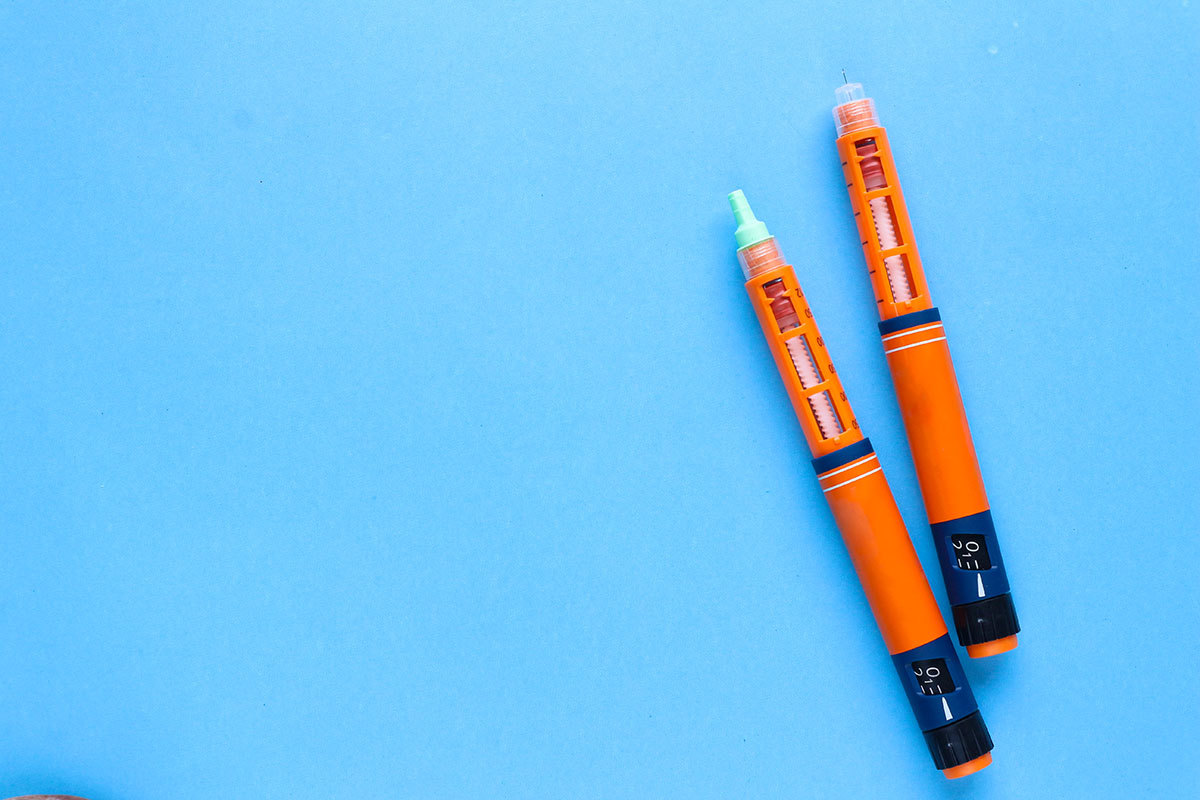
The autoinjector delivers a preset dose when pressed against the skin, and it joins the prefilled syringe that has been available since the drug's first approval in 2023. That original approval, for adults who are positive for anti-acetylcholine receptor (AChR) antibodies, was based on the Phase 3 RAISE trial. According to Pharmacy Times, RAISE showed a least-squares mean improvement of 2.09 points over placebo on the MG-ADL daily activities score at 12 weeks. UCB expects the autoinjector to be commercially available in the first quarter of 2027. The disease is rare, with a global prevalence of 150 to 350 cases per 1 million people.
Because this is a new device for an existing drug, the approval rests on bridging and usability evidence rather than a new efficacy trial. In DV0012, a Phase 1 crossover study in 14 healthy volunteers, drug exposure from the autoinjector matched the syringe, with ratios of 0.98 for total exposure and 1.00 for peak concentration. In DV0013, an open-label Phase 3b study, 31 adults with the disease switched to self-injecting with the autoinjector. Complete dose delivery was confirmed in 99.8% of the 449 autoinjectors used and returned, treatment-emergent adverse events occurred in 7 patients (22.6%), all mild and nonserious, and injection-site pain was the most common, in 3 patients (9.7%). Median satisfaction on a 0 to 10 self-injection questionnaire was 8.9.
A third study tested usability in 100 participants, including patients with generalized or ocular symptoms, caregivers and healthcare professionals, some experienced with injections and some not. Ninety percent completed an injection on the first attempt without training. Donatello Crocetta, UCB's global head of medical affairs and chief medical officer, said it was essential to confirm that the added option "didn't come at the expense of safety and efficacy."
Those numbers deserve a careful reading. The 99.8% figure counts devices, not patients, and it measures whether the dose was delivered, not whether the disease was controlled. It is a strong usability result over 14 days of dosing. It is not new evidence on long-term outcomes, which still rest on the original trial program. In longer follow-up across RAISE and its extension study, Myasthenia Gravis News reported that 63% of treated patients reached minimal symptom expression, at a median of about 8.5 months after starting treatment.
The Work the Device Does Not Remove
Zilbrysq blocks complement component 5, and that mechanism carries a boxed warning for serious, potentially fatal meningococcal infections. Patients should complete or update vaccination against meningococcal serogroups A, C, W, Y and B at least two weeks before the first dose unless delaying therapy carries greater risk, and risk remains even after vaccination. The drug is available only through a REMS program: dispensing pharmacies must be certified and must verify that prescribers are certified, and patients must carry a Patient Safety Card during treatment and for two months after stopping. Pancreatitis and pancreatic cysts have been reported, so baseline lipase and amylase testing is recommended, and dosing is set by actual body weight in three bands from 16.6 mg to 32.4 mg.
None of that changes with the autoinjector. What changes is where the daily dose happens. A device that 90% of first-time users can operate without training moves more of the routine out of the clinic and into the home, which is good for patients with fatiguing muscle weakness and good for clinic capacity. It also means fewer natural touchpoints where a nurse or pharmacist would notice a missed vaccination update, a weight change that should move a patient into a different dose band, or signs of an infection that needs urgent attention.
The Mental Health Burden No Label Covers
The less visible gap is psychological. A systematic review and meta-analysis in Brain and Behavior pooled 38 studies covering 4,108 participants in 20 countries and found depression in 36% of people with myasthenia gravis and anxiety in 33%. The authors also flagged a measurement problem that matters for care teams: many depression and anxiety screening tools include somatic items such as fatigue, which overlap with the disease's own symptoms and can distort results in either direction. A patient who injects at home every day and sees a neurologist a few times a year can carry that burden for a long time without anyone formally asking about it.
A Playbook for Sponsors, Providers and Payers
- Build the vaccination check into the refill cycle. Meningococcal protection is the core safety requirement for any C5 inhibitor, and confirming its status at certified-pharmacy dispensing is more reliable than relying on an annual clinic visit.
- Re-check weight on a schedule. Dosing is set in three weight bands, so a defined weight check, even a remote one, keeps patients in the right band as they move between them.
- Plan the switch, not just the device. Patients moving from the prefilled syringe will need guidance on disposal, missed doses and when to call, even though most can operate the autoinjector without training.
- Screen for depression and anxiety with tools that fit the disease. With roughly a third of patients affected and fatigue confounding standard questionnaires, neurologists and primary care teams should agree on who screens and how results are interpreted.
- Coordinate neurology, pharmacy and primary care. Infection warning signs, pancreatitis symptoms and routine labs cut across specialties, and home dosing works best when each team knows which tasks it owns.
- Measure outcomes beyond dose delivery. Sponsors and payers should track symptom control, hospitalizations and quality of life in real-world use, because the usability data answer a narrower question.
The Zilbrysq autoinjector is a sensible, well-supported approval that makes a demanding daily therapy easier to live with. The evidence shows the device delivers the dose. It does not show, and was never designed to show, that patients managing a rare autoimmune disease at home will get the vaccination checks, lab monitoring and mental health support the therapy requires. That work now depends on how well neurologists, pharmacies and primary care teams coordinate around a patient they will see less often.