Key Takeaways
- The FDA approved Lilly's Onswik (insulin efsitora alfa-gobe) on September 24 as a once-weekly basal insulin for adults with type 2 diabetes only.
- Across four QWINT trials in more than 3,400 adults, weekly dosing matched daily insulin on A1C while cutting basal injections from about 365 a year to 52.
- Hypoglycemia results were mixed: lower than glargine in QWINT-1 (0.50 vs 0.88 events per participant-year) but higher than comparators in the other three trials.
- A study of 7,422 VA nursing home residents found only 27% of overtreated residents had their diabetes drugs adjusted within two weeks, a gap a weekly dose makes harder to absorb.
For a century, starting insulin has meant a daily needle, and that daily ritual is one reason so many people with type 2 diabetes put it off. On September 24 the FDA approved an alternative. Lilly's Onswik (insulin efsitora alfa-gobe) is a basal insulin injected once a week, on the same day each week, for adults with type 2 diabetes. It arrives two years after Novo Nordisk's rival weekly insulin stalled at the agency, and it changes more than the injection count. A dose that lasts a week also means a dose that cannot be taken back for a week, and that shifts responsibility onto the clinicians and caregivers watching patients between injections.
What the FDA Actually Approved
The approval rests on the QWINT Phase 3 program, four trials covering more than 3,400 adults. QWINT-1 (795 patients) and QWINT-2 (928) tested insulin-naive adults against glargine and degludec over 52 weeks. QWINT-3 (986) switched people already on basal insulin over 78 weeks, and QWINT-4 (730) tested patients on basal plus mealtime insulin. Lilly says weekly dosing replaces roughly 365 basal injections a year with 52. The label excludes type 1 diabetes because of the risk of severe hypoglycemia, and the company has said only that the drug will launch "in the coming months," with no price disclosed.
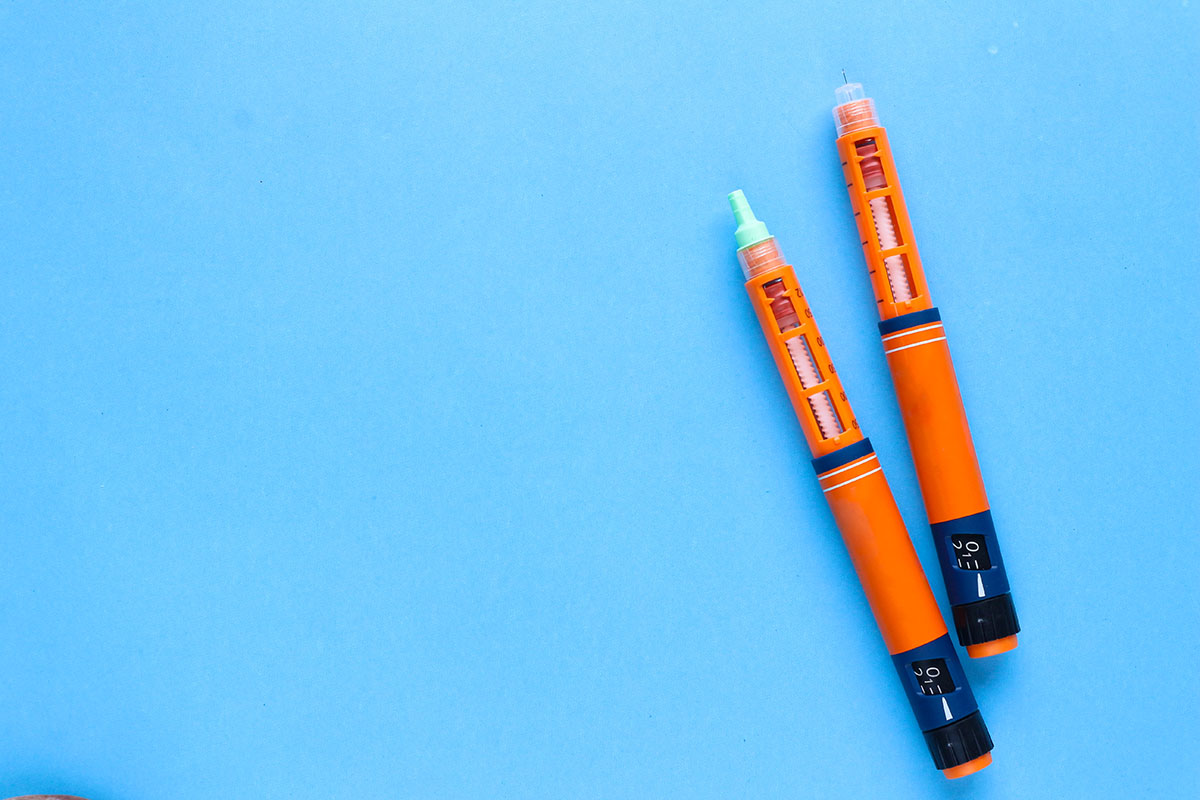
Dosing is deliberately simple. Patients start at 100 units and step up on a fixed schedule to 150, 250 and 400 units every four weeks, using concentrated U-500 and U-1,000 KwikPens that deliver up to 800 units per injection. That design shows in the data. In QWINT-1, HCPLive reported a median of 2 dose adjustments on efsitora against 8 on glargine, with A1C falling 1.19 percentage points versus 1.16. Fewer adjustments is a real benefit in busy primary care practices, where titration often stalls between visits.
The Hypoglycemia Signal Is Mixed
Low blood sugar is the defining risk of any insulin, and here the picture is not uniform. In QWINT-1, efsitora produced 0.50 hypoglycemia events per participant-year against 0.88 on glargine. In the other three trials it ran higher than its comparator: 0.58 versus 0.45 in QWINT-2, 0.84 versus 0.74 in QWINT-3, and 6.6 versus 5.9 in the basal-bolus population of QWINT-4. None of these are alarming in absolute terms for a type 2 population, but they show that a weekly insulin is not inherently safer.
The FDA has been here before. In July 2024 it issued a complete response letter for Novo Nordisk's insulin icodec, citing the manufacturing process and the type 1 diabetes indication, after an advisory panel found the data insufficient for a positive benefit-risk call in type 1. Icodec is approved in the European Union, Canada, Australia, Japan and Switzerland. Onswik's US label sidesteps that question entirely: it covers type 2 diabetes only.
Where the Week Between Doses Gets Hard
The weekly format is most convenient for the patients who are hardest to monitor. Nursing home residents are the clearest case. A study of 7,422 VA nursing home residents in the Journal of the American Geriatrics Society found that 17% met criteria for diabetes overtreatment and another 23% for potential overtreatment. Only 27% and 19% of those groups, respectively, had their regimens scaled back within 14 days of the blood test that flagged the problem, and long-acting insulin use was associated with higher odds of staying overtreated. With a daily insulin, the next dose is a chance to correct course. With a weekly one, a resident whose appetite drops after a hospital stay is carrying a full week of insulin already on board.
That makes care transitions the pressure point. A patient discharged to a skilled nursing facility on a weekly insulin needs the facility to know the dose, the injection day and the date of the last shot, and to have a plan for glucose monitoring if intake changes. Missing any of those turns a convenience into a liability.
The behavioral side matters too. A meta-analysis of 55 studies and 36,998 people in Diabetic Medicine found that 36% of people with type 2 diabetes experience diabetes distress, and that prevalence was higher where depressive symptoms were more common. Fewer injections may ease that burden, but a once-a-week task is also easier to forget, and the patients most likely to miss it are the ones already struggling.
A Playbook for Sponsors, Providers and Payers
- Put the injection day in every handoff. Discharge summaries and medication lists should carry the weekly dose, the day it is due and the date of the last injection, so receiving facilities never have to guess.
- Build deintensification rules for frail patients. Post-acute providers should define in advance when to hold the next weekly dose and how to monitor glucose in the days after a missed meal.
- Use primary care for the first eight weeks. The fixed titration schedule works best when someone checks in at each four-week step, ideally through coordinated care models rather than a single annual visit.
- Screen for diabetes distress at initiation. Starting insulin is a natural moment to ask about mood and burden, and integrated mental health support can protect adherence to a weekly routine.
- Collect real-world hypoglycemia data early. Sponsors should track events in older and post-acute populations that the QWINT trials could only partly represent, before payers draw their own conclusions.
- Price against total cost of care. With no list price disclosed yet, the strongest coverage argument will rest on adherence and avoided hypoglycemia, not injection count alone.
Onswik solves a genuine problem: daily injections are a barrier, and 52 shots a year is a meaningful improvement over 365. But the approval also moves risk out of the patient's daily routine and into the systems around them. The sponsors and providers who treat the week between doses as something to manage, rather than a gap to ignore, will decide whether weekly insulin lives up to its promise.