Key Takeaways
- The FDA approved Gazyva (obinutuzumab) for adults with primary membranous nephropathy at risk of progression, the first therapy ever approved for the disease and Gazyva's third approval in immune-mediated kidney disease.
- In the 142-patient Phase 3 MAJESTY trial, 36.1% of patients on Gazyva reached complete remission of proteinuria at two years, against 5.7% on tacrolimus, and overall remission was 50% versus 12.9%.
- Without treatment, up to 30% of patients with the disease progress to kidney failure within 10 years, and US incidence is estimated at 1.2 cases per 100,000 people a year.
- About 14% of US adults, roughly 37 million people, have chronic kidney disease, and an estimated 87% of adults with it do not know they have it.
For decades, nephrologists treating primary membranous nephropathy have worked without a single approved drug. They have borrowed immunosuppressants and cancer antibodies, used them off label, and watched for the protein in a patient's urine to fall. That changed this month. Roche announced that the FDA has approved Gazyva (obinutuzumab) as the first treatment for primary membranous nephropathy, for adults at risk of disease progression, to induce remission of proteinuria. The trial result is unusually clean. The harder question is how many of the people who could benefit will be identified early enough to matter.
What the FDA Approved, and the Trial Behind It
Primary membranous nephropathy is an autoimmune disease in which the immune system attacks the kidney's filtering units, the glomeruli, so that large amounts of protein leak into the urine. As AJMC reported, complications can include high cholesterol, high blood pressure, severe swelling and fatigue. According to Roche, US incidence is estimated at 1.2 per 100,000 people a year, and without treatment up to 30% of patients progress to kidney failure within 10 years. Gazyva is a humanized antibody that targets CD20 on B cells. It was already approved for several blood cancers, for lupus nephritis and for idiopathic nephrotic syndrome, and this is its third approval in immune-mediated kidney disease.
The approval rests on MAJESTY, an open-label, randomized Phase 3 trial that enrolled 142 adults and compared intravenous Gazyva with oral tacrolimus, a common off-label standard. The primary endpoint was complete remission of proteinuria at week 104. Gazyva reached it in 36.1% of patients versus 5.7% on tacrolimus, an adjusted difference of 31.1 percentage points. In absolute numbers, AJMC noted, that was 26 of 71 patients against 4 of 70. Overall remission, complete or partial, was 50% versus 12.9%, and complete remission at week 76 was 36.1% versus 8.6%. The results were published in the New England Journal of Medicine, and Roche said no new safety signals were identified.
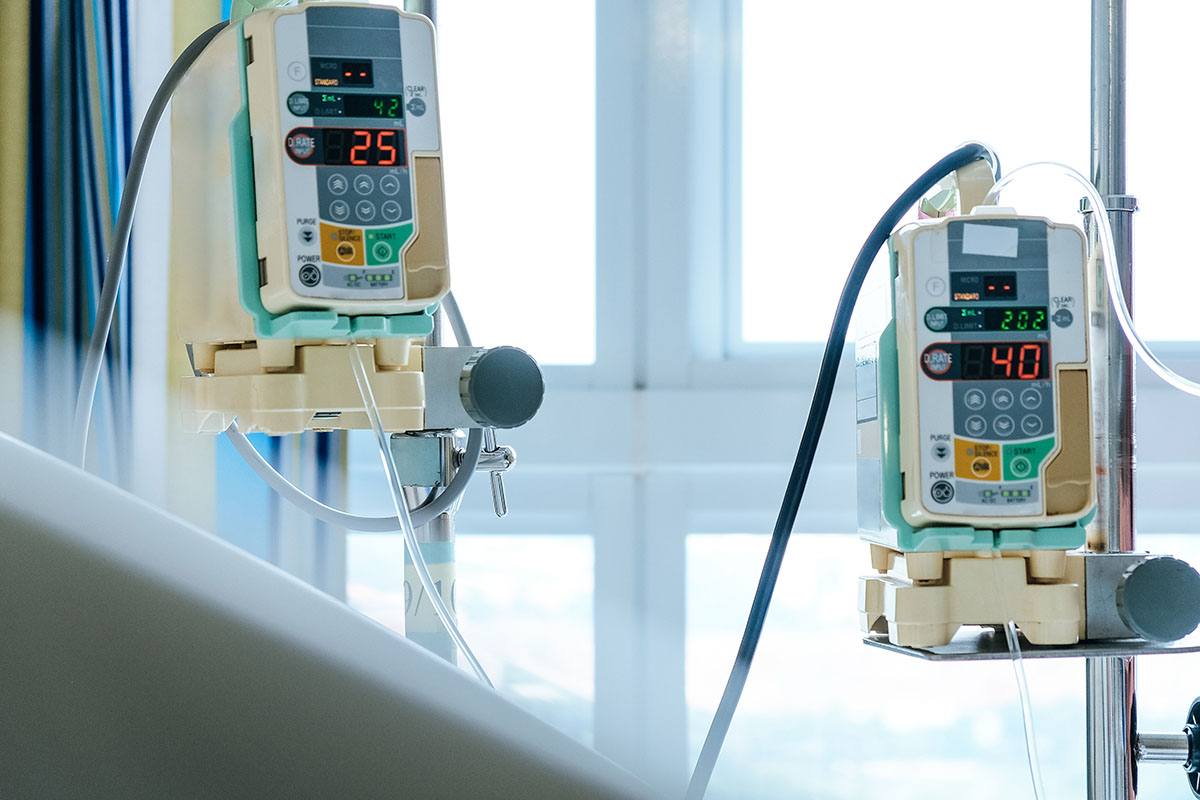
The label carries the safety profile that comes with deep B-cell depletion. As Healio reported, Gazyva has boxed warnings for hepatitis B virus reactivation and progressive multifocal leukoencephalopathy, a rare and serious brain infection. The most common adverse reactions in the trial were infusion-related reactions and upper respiratory tract infections, which means each dose is a supervised clinical event rather than a prescription filled at a counter.
Why the Comparator Matters to Payers
The trial answers one question well and leaves another open. Anna Burgner of Vanderbilt University Medical Center told Healio that obinutuzumab "has not been compared in clinical trial" with other guideline-recommended treatments such as rituximab or cyclophosphamide, and that guidelines are due for an update. Brad Rovin of Ohio State University, who consults for Roche and Genentech, described the approval as "important validation of what we have been doing," noting that nephrologists have used B-cell depleting drugs off label for some time and that approval should make access easier with less insurer objection.
That is the practical shift. An on-label option changes the conversation with health plans from whether a B-cell therapy is justified to which one, for whom and in what sequence. Without head-to-head data against rituximab, plans will write those criteria on the MAJESTY result, the label's definition of patients at risk of progression, and their own experience with off-label use. Marc Hurlbert, chief executive of the National Kidney Foundation, called the first approval for the condition "a milestone" in Roche's release. Whether it becomes a milestone for individual patients depends on how quickly they reach a nephrologist and an infusion chair.
The Detection Problem Behind a Rare Disease
Membranous nephropathy is rare, but it surfaces inside a much larger and largely invisible problem. The CDC estimates that about 14% of US adults, roughly 37 million people, have chronic kidney disease, and that about 87% of adults with it do not know they have it. Kidney damage is often silent until it is advanced, and the signal that matters here, protein in the urine, is found by a test someone has to think to order.
That puts primary care at the front of the line for a therapy that will be prescribed by specialists. The MAJESTY endpoint itself was defined by a urine protein-to-creatinine ratio, the same measure that can flag kidney damage in a routine visit. A patient with swelling and fatigue who is never tested, or whose result is not followed up, never reaches the point where Gazyva is an option, and the 10-year window in which up to 30% of untreated patients progress is spent waiting rather than treating.
A Playbook for Sponsors, Providers and Payers
- Build the referral path before the launch. The value of an approved therapy depends on proteinuria being detected in primary care and routed to nephrology without delay, so sponsors and health systems should map that path explicitly.
- Use claims and lab data to find the undiagnosed. With most kidney disease unrecognized, plans and providers can search existing lab and claims records for unexplained proteinuria that never led to a referral.
- Write coverage criteria around the label. Plans should define "at risk of disease progression" clearly and decide how prior off-label rituximab use affects eligibility, rather than leaving it to case-by-case review.
- Plan infusion capacity and screening. Infusion reactions and boxed warnings for hepatitis B reactivation and brain infection mean each dose needs trained staff, pre-treatment screening and monitoring.
- Collect the comparative evidence. Sponsors and payers both need real-world data against rituximab and cyclophosphamide, since guidelines will be rewritten on evidence the pivotal trial did not generate.
- Track remission over years, not weeks. The trial measured complete remission at two years, so outcomes programs should follow proteinuria and kidney function on the same long horizon to show whether kidney failure is truly delayed.
Gazyva's approval ends a long stretch in which an entire disease was treated without a single approved drug, and the trial gap over tacrolimus is large enough to reshape practice. Its reach, though, will be decided well before the infusion. In a country where most people with kidney disease do not know it, the patients who benefit will be the ones whose proteinuria is caught, referred and treated while their kidneys still have time to recover.