Key Takeaways
- The FDA approved Teva's Igalmi sublingual film for at-home use in acute agitation tied to schizophrenia, schizoaffective disorder or bipolar I or II disorder, the first treatment cleared for that setting.
- The approval rests on a 12-week Phase 3 safety study in which 102 patients treated 1,160 agitation episodes at home, with no discontinuations for tolerability.
- Agitation affects 25% to 40% of patients with these conditions, and up to 21% of episodes escalate to emergency care or hospitalization, according to Teva.
- In an Oregon study, 30% of psychiatric emergency visits ended in boarding, against 8% of other visits, and boarding is linked to medication errors and worsening symptoms.
For adults living with schizophrenia or bipolar disorder, an episode of acute agitation has usually ended in one of two places: a clinician's office or an emergency department. On November 16, Teva announced that the FDA had approved Igalmi (dexmedetomidine) sublingual film for at-home use, which the company describes as the first FDA-approved at-home treatment for agitation associated with these conditions. The drug itself is not new. What is new is where it can be used, and that change is aimed squarely at the stretch of a crisis that currently ends in an ambulance bay. Whether it gets there depends on details the label cannot settle.
What the FDA Approved, and the Evidence Behind It
Igalmi is a film placed under the tongue or between the lower lip and gum. It is an alpha-2 adrenergic receptor agonist, the same class of drug that lowers heart rate and blood pressure. According to AJMC, the FDA first approved it in April 2022 for use under clinician supervision, based on the SERENITY I and II trials. In SERENITY I, which enrolled 380 patients with schizophrenia or schizoaffective disorder, the 120 microgram dose cut the agitation score by 8.5 points at two hours, against 4.8 points on placebo, and the 180 microgram dose cut it by 10.3 points. Teva reports that some effects appeared as early as 20 minutes after dosing. SERENITY II enrolled 378 patients with bipolar disorder.
The new indication came through a supplemental application, submitted on January 14, 2026, and it rests on a different kind of study. SERENITY III was a randomized, double-blind, placebo-controlled Phase 3 trial run over 12 weeks, in which 102 patients treated 1,160 agitation episodes at home. As Psychiatric Times reported, its primary endpoint was safety and tolerability, which it met. Tolerability held up across repeat dosing, no patient stopped because of tolerability, and the most common adverse events were somnolence, dry mouth, dizziness and numbness or tingling in the mouth.
That distinction matters for anyone reading the approval as an outcomes story. The efficacy evidence still comes from supervised settings with trained staff on hand. The at-home study shows that patients can use the film repeatedly without trouble. It was not designed to show that home use prevents emergency visits or hospital stays, and no such figure has been published.
Why the Emergency Department Is the Real Target
The case for home use rests on the size of the problem. Teva says agitation affects 25% to 40% of patients with these conditions, and that up to 21% of episodes lead to an emergency department visit or hospitalization. BioXcel Therapeutics, which developed the drug before Teva acquired it on October 27, has estimated on a company conference call that 57 million to 77 million agitation episodes occur in US homes each year.
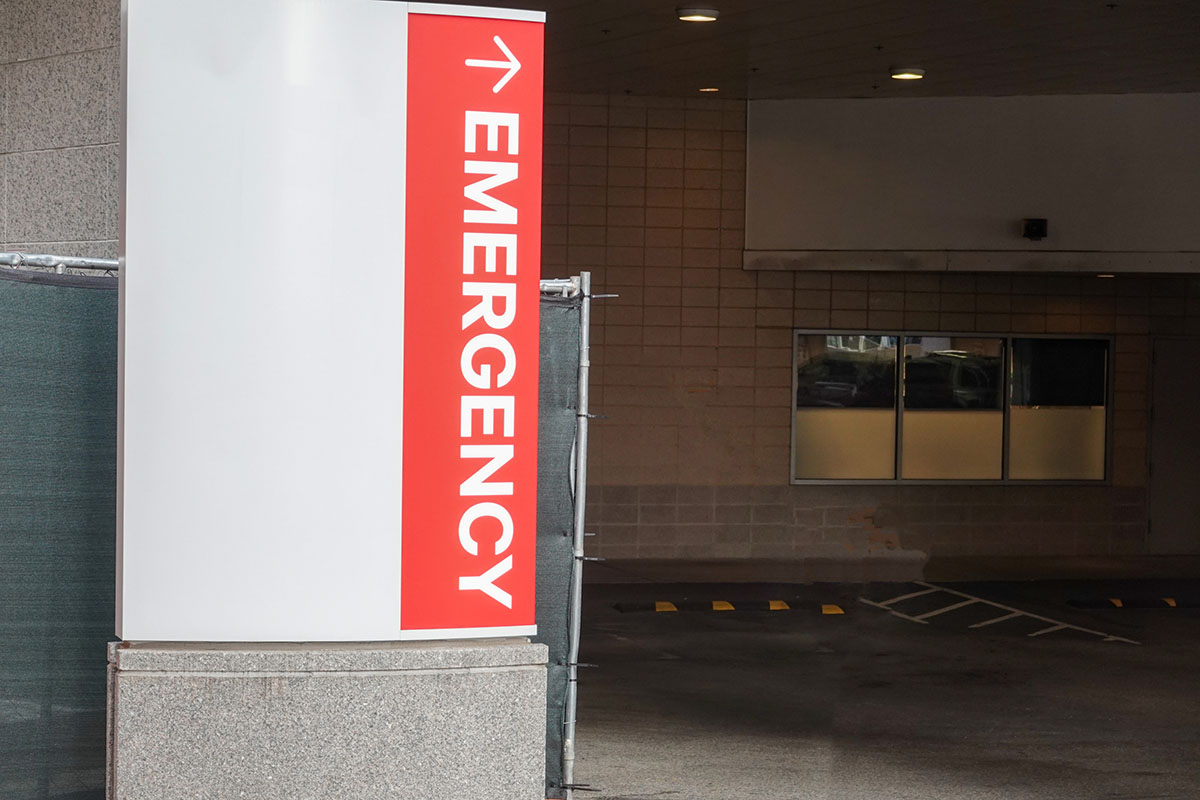
The destination of those escalated episodes is the bigger concern. A July 2026 research digest from the Treatment Advocacy Center collects the evidence on emergency department boarding, when a patient is ready for admission or transfer but no bed or service is available. In an Oregon study of more than 7,000 people, 30% of psychiatric emergency visits ended in boarding, compared with 8% of other visits, and a national study found psychiatric patients had 4.78 times the odds of being boarded. A 2026 systematic review in Health Affairs Scholar linked boarding to more medication errors, worsening symptoms, longer stays and higher death rates, and other research ties it to greater use of restraint and seclusion. The digest also notes that a loud, overstimulating emergency department can itself make psychiatric symptoms worse.
Seen against that, an option that lets a patient or caregiver act when agitation starts is not a convenience feature. If it heads off even a share of escalations, it spares patients one of the worst care settings for their condition and frees emergency capacity. That is the hypothesis. It now needs real-world data.
What Home Use Asks of Patients and Caregivers
Moving the drug out of the clinic also moves its safety work out of the clinic. The label carries warnings for low blood pressure, low blood pressure on standing and slow heart rate. Patients are told to drink fluids, sit or lie down after dosing and rise slowly to reduce the risk of fainting and falls. Caution is advised for people with heart problems, a history of fainting, low fluid levels, diabetes or liver problems, for adults 65 and older, and for anyone taking blood pressure medicines or sedating drugs such as opioids. Safety in children has not been established.
Those are checks a nurse would make in a supervised setting. At home they fall to the patient, a family member or a caregiver, often in the middle of a distressing episode. Teva has not disclosed pricing or a launch timeline, and says it will announce commercialization plans later, so payers do not yet know what they will be asked to cover.
A Playbook for Sponsors, Providers and Payers
- Treat the first prescription as a care plan. Home use works only if the patient and caregiver know when to dose, what side effects to watch for and when an episode still needs emergency care.
- Screen for the label's risk factors before prescribing. Cardiac history, fainting, older age and concurrent sedatives or blood pressure drugs all change the risk of using the film without a clinician in the room.
- Train caregivers, not just patients. Somnolence and dizziness after dosing raise fall risk, and a family member is often the one who has to recognize it and respond.
- Link home dosing to follow-up. An episode treated at home is still a signal of unstable illness, and a quick telehealth or clinic check afterward keeps it from becoming the first of several.
- Measure what the trial did not. Sponsors and payers should track emergency visits, admissions and boarding hours in real-world use, because the approval data answer a safety question, not a utilization one.
- Wait for the price before setting coverage rules. With pricing undisclosed, plans should define clinical criteria now and model value against avoided emergency care once the cost is known.
Igalmi's at-home approval is a sensible regulatory step: a drug with established efficacy in supervised care has now shown it can be used repeatedly and tolerably at home. The harder test is the one it was approved to address. If home use keeps agitation episodes away from emergency departments that board psychiatric patients at several times the rate of others, the benefit will show up in fewer visits and shorter crises. Proving that will take real-world evidence, caregiver training and follow-up care that the label alone cannot supply.