Key Takeaways
- The FDA's October 5 request for information on early-phase ibogaine trials proposes small, sequential dose-ascending groups and a starting dose no higher than 10 mg/kg, with comments due November 20, 2026.
- HHS is prioritizing adults with opioid use disorder and adults with PTSD, with early-phase trials funded through ARPA-H and the National Institute on Drug Abuse.
- A Stanford Medicine study of 30 special operations veterans reported an average 88% drop in PTSD symptoms one month after ibogaine given with magnesium.
- Only 25.1% of U.S. adults who needed opioid use disorder treatment in 2022 received medication for it, according to CDC.
For decades ibogaine has sat outside the U.S. research system, a Schedule I compound that patients sought at clinics abroad. On October 5 the FDA moved to bring it inside. The agency issued a request for information on early-phase ibogaine trial design, asking researchers, sponsors and the public how the first federally supported studies should be built. The interest is real, and so is the risk. The question that will decide how fast this research moves is not whether ibogaine works, but how many sites can safely monitor a patient's heart while they find out.
What the FDA Is Actually Asking
The request covers four areas: general study design and patient populations, dose selection and escalation, safety monitoring for cardiac and neurologic adverse events, and ethical oversight, including informed consent and independent safety review. The agency is considering small, sequential dose-ascending groups and a starting dose, justified by available data, that does not exceed 10 mg/kg. It also wants views on care setting, eligibility criteria and stopping rules. Comments go to docket FDA-2026-N-10429 and close on Friday, November 20, 2026, with late submissions not considered.
The populations are specific. HHS is prioritizing adults with opioid use disorder and adults with post-traumatic stress disorder for federally supported research, with ARPA-H funding a program to collect early-phase safety and efficacy data and NIDA funding work on opioid use disorder. CDER Director Michael Davis framed the balance plainly, saying that with ibogaine "there are important scientific questions as well as serious safety concerns."
The request sits inside a broader push. Applied Clinical Trials reports that it follows an April 18, 2026 executive order on psychedelic medicine research and July's final FDA guidance on psychedelic clinical investigations. The FDA has also allowed an early-phase U.S. study of noribogaine hydrochloride, an ibogaine derivative, for alcohol use disorder, and issued national priority vouchers to two psilocybin programs and one methylone program for PTSD.
Why the Heart Sets the Pace
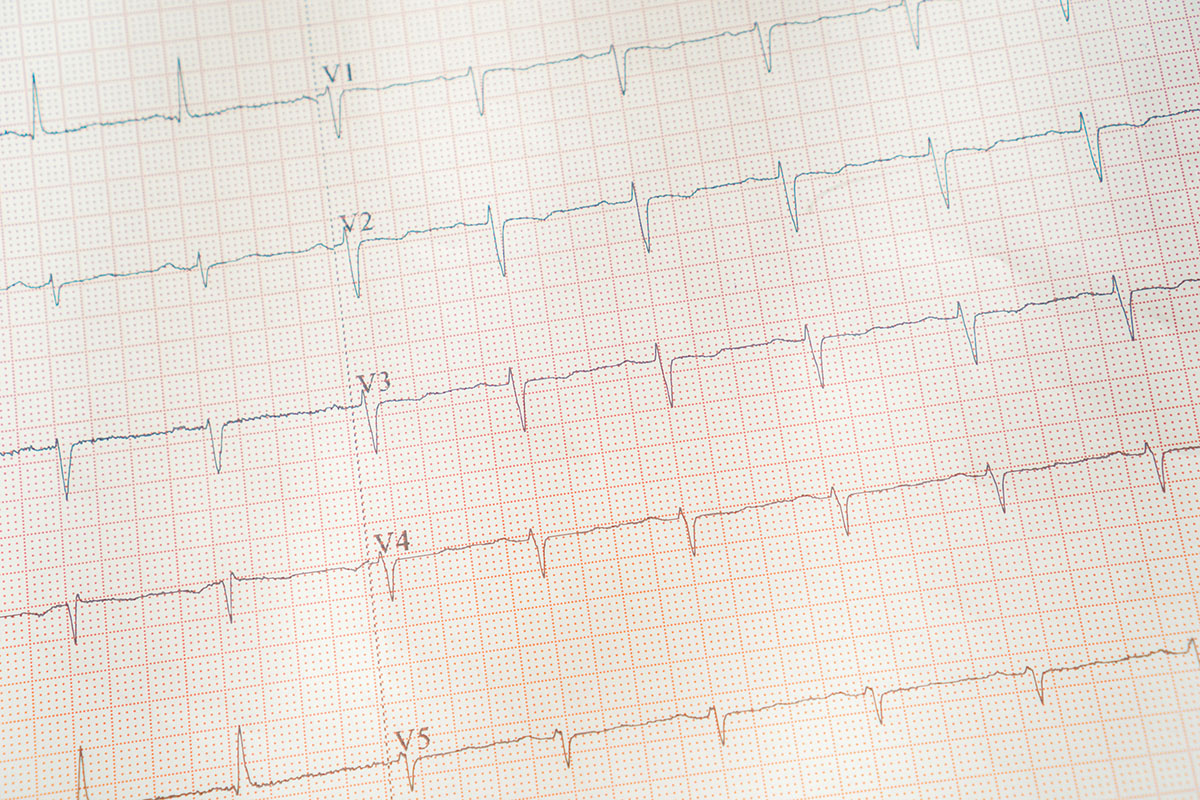
The caution has a history. Reuters reported that the FDA has previously warned that ibogaine carries severe health risks, including life-threatening irregular heart rhythms and potential brain toxicity, and that the April order dedicated $50 million to federal ibogaine research. Betty Aldworth of the Multidisciplinary Association for Psychedelic Studies told Reuters that "cardiac safety is not a footnote," calling it the central challenge researchers have to solve.
That is why the most interesting human data so far came with a safeguard attached. In a study described by Stanford Medicine, 30 special operations veterans with traumatic brain injury received oral ibogaine with magnesium, intended to protect the heart, under medical monitoring at a clinic in Mexico. One month later the group showed average reductions of 88% in PTSD symptoms, 87% in depression and 81% in anxiety, and average disability scores fell from 30.2 to 5.1. No serious side effects were reported. The study was small and observational, and the veterans arranged their own treatment, which is exactly the gap a controlled, U.S.-based trial program is meant to close.
For sponsors, the operational consequence is clear. A protocol built on small sequential cohorts, a capped starting dose and continuous cardiac and neurologic monitoring is slow by design. Every escalation step waits on safety review, and every dosing day demands staff and equipment that most outpatient research sites do not keep on hand. Enrollment will be throttled by monitored beds, not by patient interest.
The Treatment Gap Ibogaine Is Chasing
The urgency comes from what existing care fails to reach. A CDC analysis of 2022 national survey data found that 3.7% of U.S. adults, about 9.4 million people, needed opioid use disorder treatment, yet only 25.1% received medication for it. Among those who needed treatment, 42.7% did not perceive a need for it and 30.0% received treatment that did not include medication. CDC points to stigma, clinician preference for non-medication approaches, limited methadone access and payer restrictions such as prior authorization as reasons proven medications go unused.
That context matters for anyone modeling ibogaine's future. Even a successful single-dose therapy would enter a system that already struggles to deliver the medications it has. If ibogaine ever reaches patients, it will need the same things buprenorphine still lacks in many places: clinicians willing to prescribe, settings equipped to monitor, and follow-up care that holds people after the acute treatment.
A Playbook for Sponsors, Sites and Care Teams
- Comment before November 20. Sponsors with cardiac safety data, telemetry protocols or psychedelic trial experience should put it on the docket while the FDA is still deciding what it will expect in ibogaine INDs.
- Plan capacity around monitored beds. Budget enrollment timelines against the number of sites that can run continuous cardiac and neurologic monitoring, not against patient demand.
- Screen cardiac risk early. Build ECG screening, drug interaction review and electrolyte checks into eligibility so exclusions happen before dosing day, not on it.
- Design for integration, not just the dose. Opioid use disorder and PTSD outcomes depend on what happens after treatment, so protocols should connect participants to primary and behavioral health care.
- Measure function, not only symptoms. The Stanford data reported disability scores alongside symptom scales, and payers will want both if a product ever reaches a coverage decision.
- Prepare employers and plans for questions. Workforce mental health and pain programs will field employee interest long before any approval, so benefits teams need plain-language guidance now.
The FDA has signaled that ibogaine deserves rigorous study, and it has written the safety caveats into the first page of the conversation. The sponsors and sites that treat cardiac monitoring as the core of the protocol, rather than a box to check, are the ones most likely to generate data the agency can actually use.